Sendvaris Manor
- Home
- Events calendar
- Sendvaris Manor
Sendvaris Manor
Sendvario dvaras – born centuries ago, becoming a vision of the future today
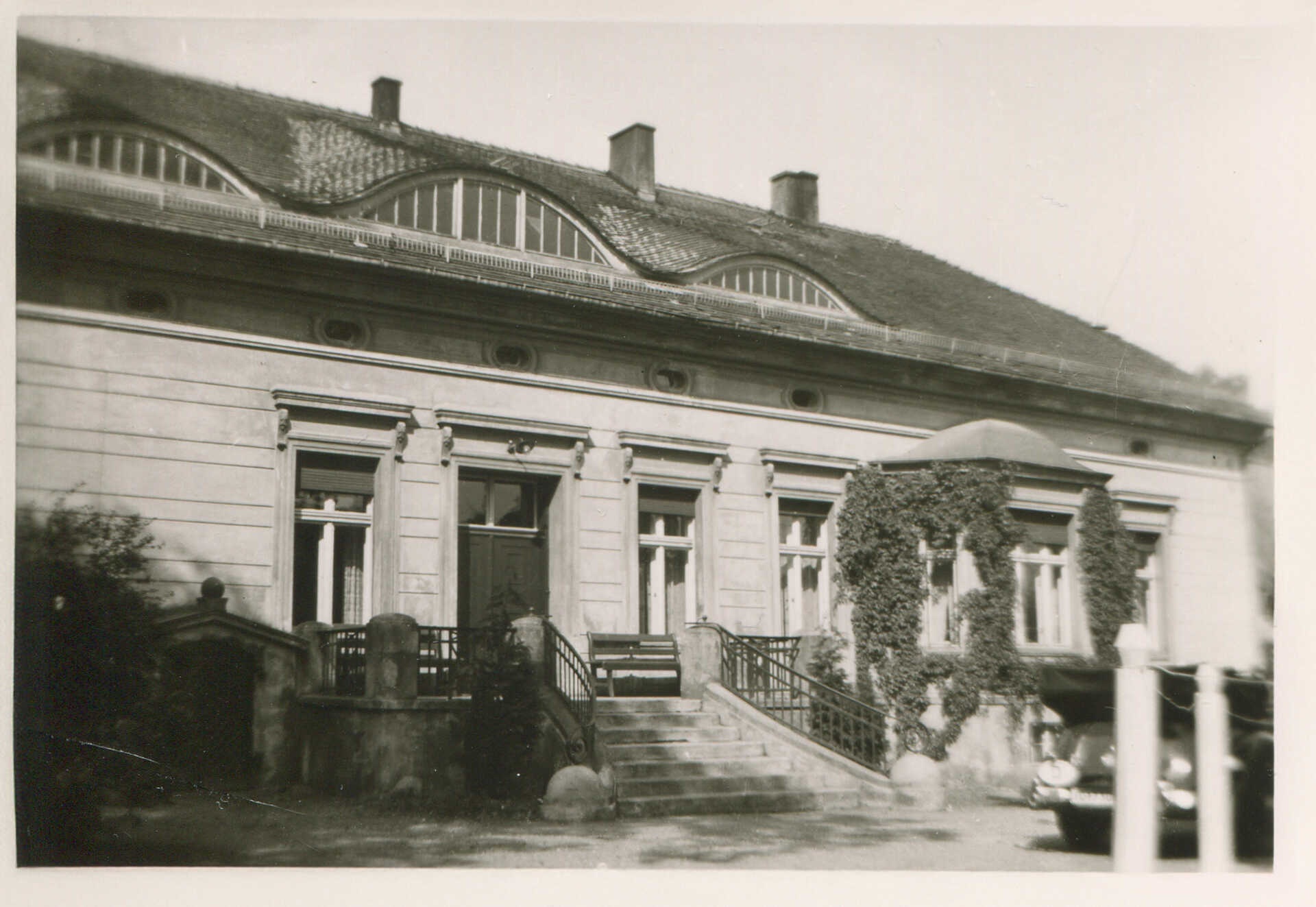
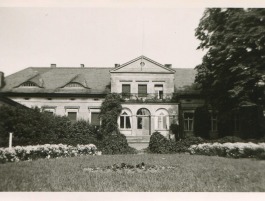
Sendvaris is the oldest manor in the Klaipėda region. Its origins date back to 1376, when a cattle yard – Viehhof – was mentioned in the inventory of Klaipėda Castle, where livestock was kept for the castle garrison. Historical documents refer to Sendvaris by its German names: Althof and Rittergut Althof, meaning “old manor” or “noble Sendvaris.”
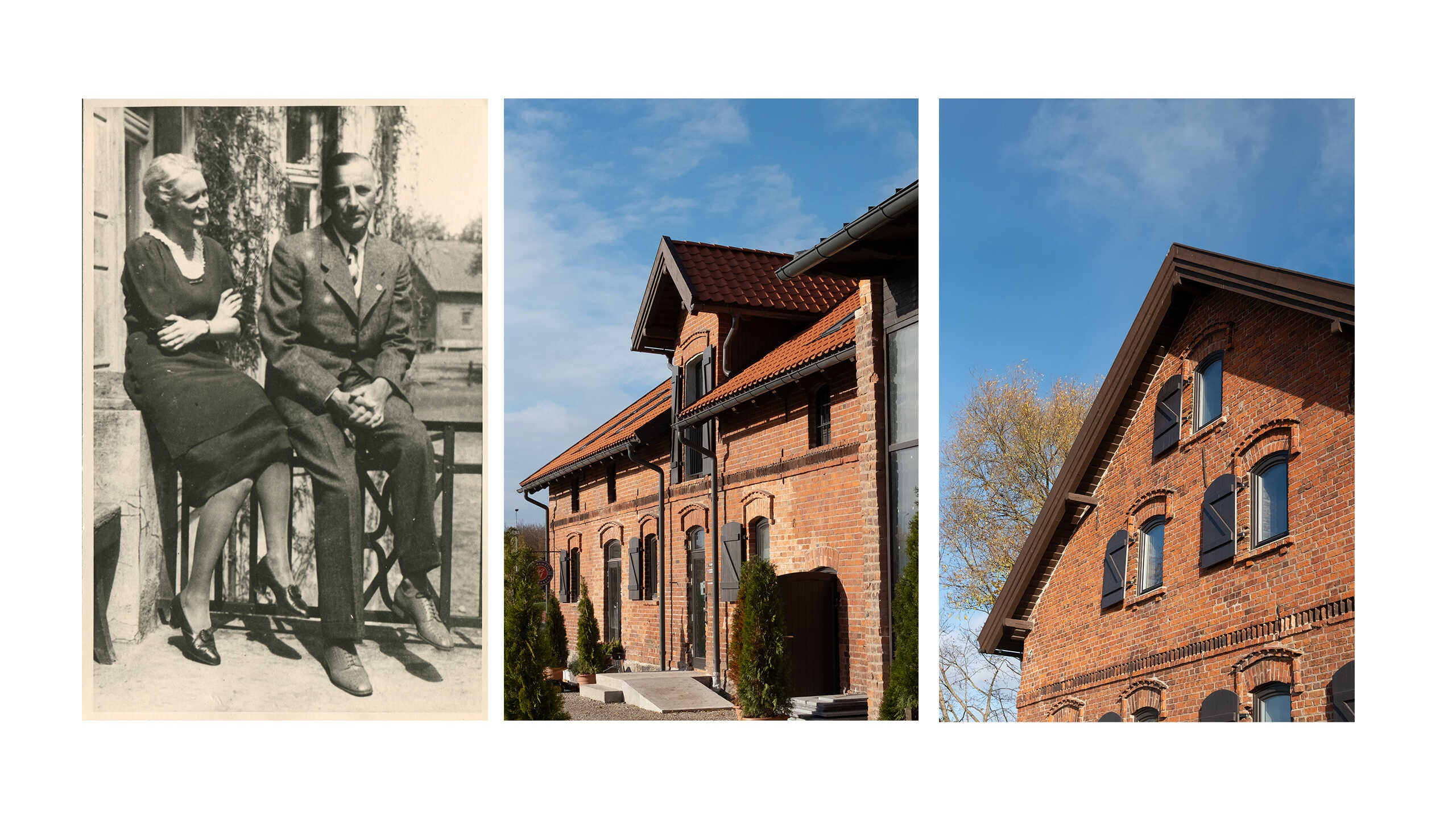
The cattle yard supplied the castle with meat, bacon, fat, milk, and dairy products. These provisions were stored in the cellar of a farm building, where restaurant spaces are located today. Beer barrels were kept in the manor cellar, which now houses a conference hall.
Over time, additional administrative and farm buildings were constructed in Sendvaris. The estate was frequently damaged by Samogitian and Lithuanian forces. It is believed that in 1402 a sheep farm was established here, supplying the knights of Klaipėda Castle with meat and hides. During the Teutonic Order period, the manor was managed not by the Order’s brothers but by secular overseers. The origin of the name Sendvaris is linked to an old sheepfold – the nearby estate gradually came to be known by this name. For centuries, the manor was leased and managed by landowners of German origin.
In the first half of the 19th century, Sendvaris had become a local administrative center, with an inn operating on its grounds. In the early 20th century, a brick factory stood near the manor center.
Sendvaris hosted royal receptions and banquets attended by noble guests. In the 19th century, members of the Prussian royal family, who stayed in Klaipėda during wartime, chose this place for rest. A riding arena for princes was established on the estate grounds, along with a carefully designed garden created by then-owner J. Ruppel. In 1834, when the royal family visited Klaipėda again, as many as 84 Lithuanian horsewomen welcomed the monarchs with songs and gifts. By the late 19th century, Sendvaris had become an important center for horse breeding and trade. Purebred horses were raised here, and in 1882 the first horse market was organized.
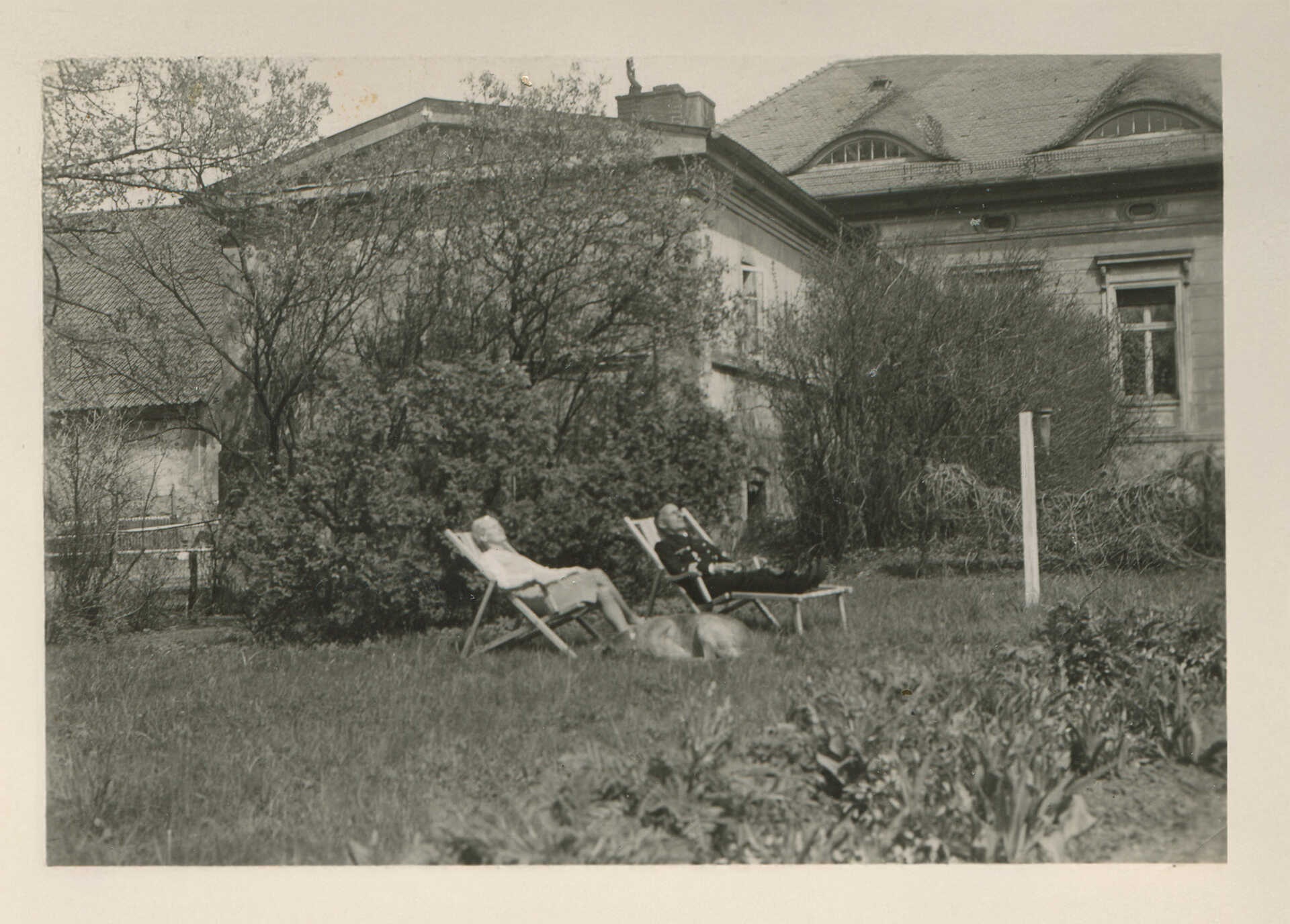
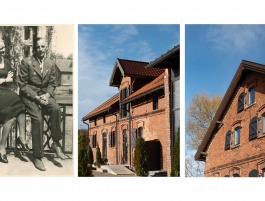
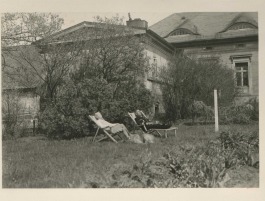
From 1902, Sendvaris Manor was owned by the Conrad family. The first owner, Anton Conrad, established a family residence and a large farm here. Together with his wife, he raised several daughters and a son, Heinrich Conrad. The Conrad family belonged to the German landowning class of the Klaipėda region and actively participated in political and economic life. They traveled widely, drove luxury cars, and hosted lavish events in the manor. Their guests included prominent figures of the region – businessmen, politicians, and cultural representatives. At that time, Sendvaris was one of the most distinguished estates in the region, known for its vitality and elegance.
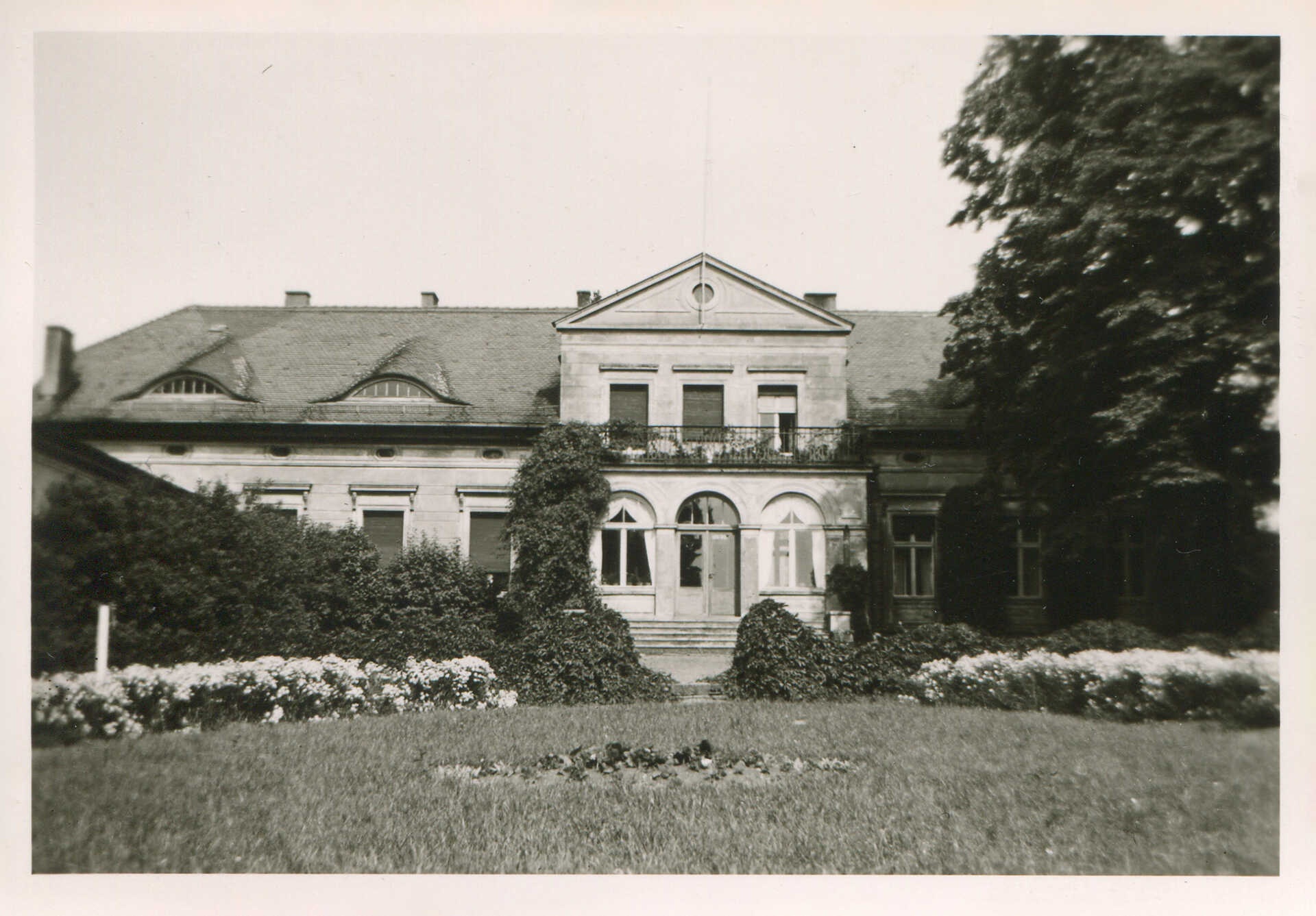
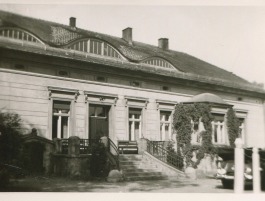
During World War I, the manor buildings were almost completely destroyed by fire – only blackened walls remained. Anton Conrad was taken prisoner by Russian forces but managed to return in 1916. After the war, the family rebuilt the manor.
In 1932, after his father’s death, Heinrich Conrad took over the estate. He was a notable public figure, banker, and politician in the Klaipėda region, affiliated with several pro-German parties and leading cultural and economic organizations. Sendvaris became a meeting place for regional leaders, where important political discussions took place. Tragically, Heinrich Conrad died during World War II, and his family was forced to leave Sendvaris and relocate to the West, starting a new life.
January 15 – Klaipėda Region Day – is significant not only for the city but also for Sendvaris Manor, which silently witnessed historical turning points. In January 1923, clashes with French forces took place in the surroundings of Sendvaris. After securing this territory, it became a strategic base for further operations toward Klaipėda. On January 15, Lithuanian forces entered the city from several directions – a decisive step after which the Klaipėda region was officially integrated into Lithuania. This event strengthened Lithuania’s international position and opened a vital gateway to the sea, turning Klaipėda into a strategic and economic center that remains important to this day.
During World War II, the manor buildings were not destroyed. After the war, a school operated in the manor, and the farm buildings were used for industrial storage.
During the Soviet period, Sendvaris Manor lost its original function. Architectural heritage was not a priority – interiors were altered to meet practical needs, resulting in the loss of many authentic elements. The estate was used for various economic and storage purposes without a clear heritage preservation strategy. As in many Lithuanian manors, functionality dominated over historical preservation, leading to gradual deterioration, reconstruction, or adaptation of buildings.
After Lithuania restored its independence in 1991, Sendvaris entered a new phase. Changes in ownership and the economic system meant that the estate buildings were divided among different owners and used for various purposes. However, for a long time there was no unified vision for the development of the entire territory. As a result, some buildings were abandoned, others used fragmentarily, and the historical integrity of the manor was lost.
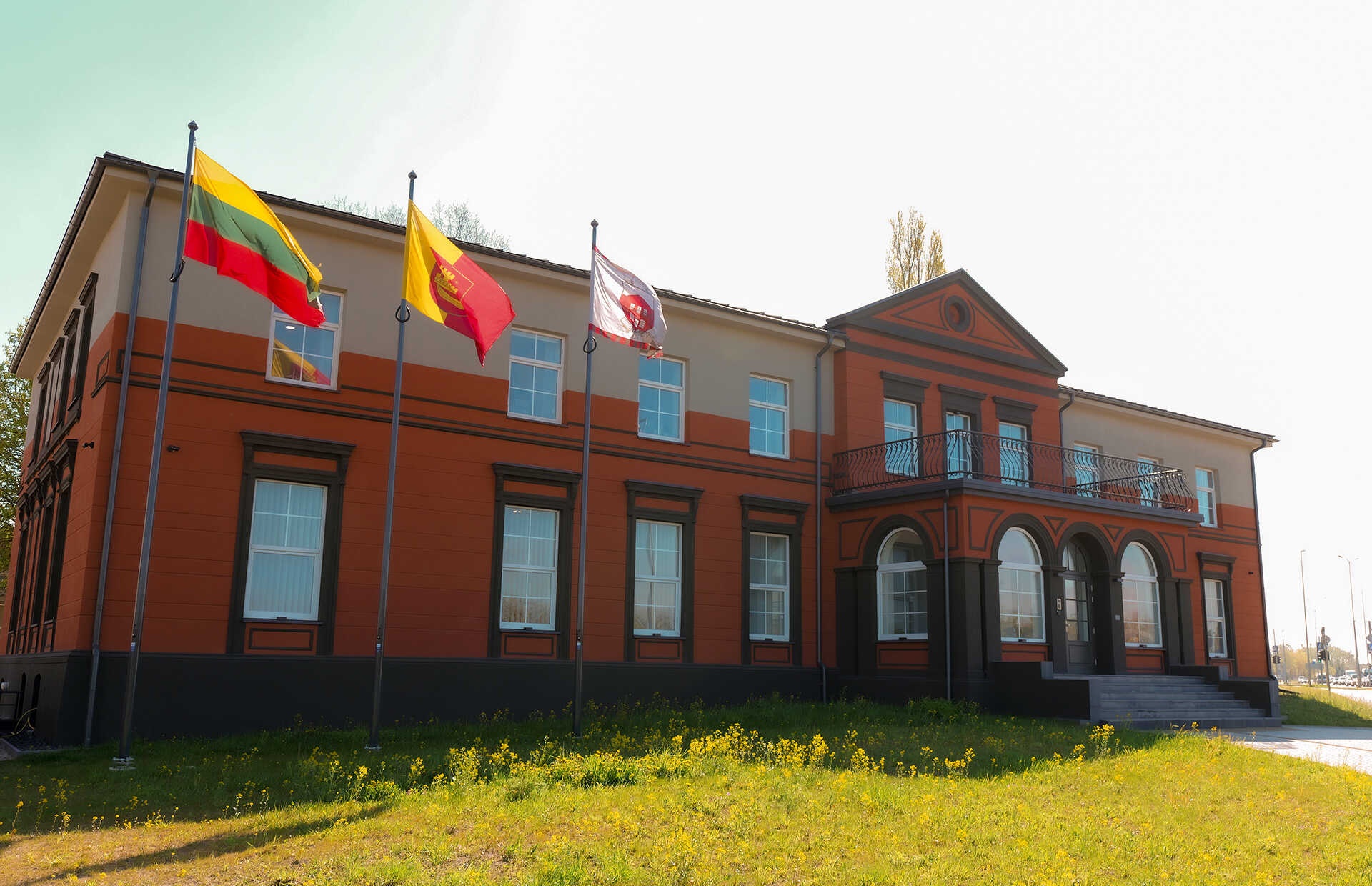
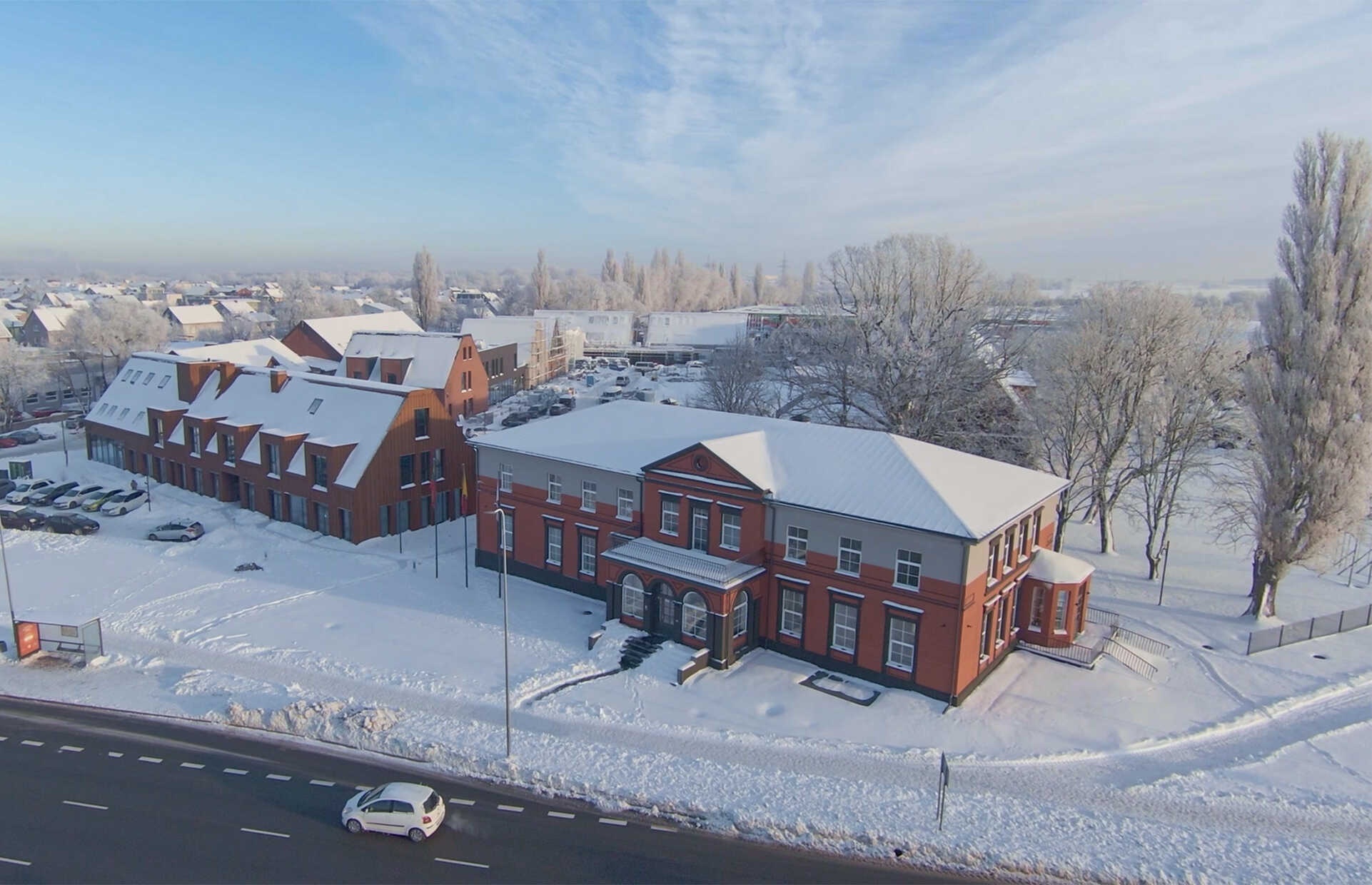
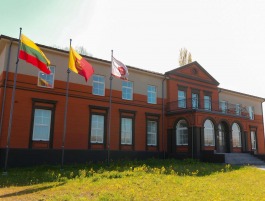
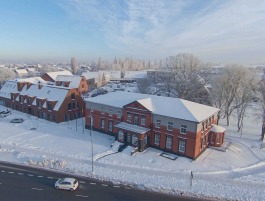
Only in recent years has a clear and consistent approach to restoration emerged. By consolidating the territory and initiating detailed research and design processes, it became possible not only to preserve what remained but also to restore the structure of the manor and adapt it to contemporary use. Today, Sendvaris is experiencing a new chapter – once again becoming a living place where history meets the present, and spaces for business, culture, and community are created.
Before restoration began, extensive archaeological research was conducted between 2021 and 2023. Findings included stove tiles, glass bottle fragments, porcelain shards, iron nails, clay pipe stems, furnace doors, and even a 1741 Prussian shilling. These discoveries reveal everyday life in the manor and provide valuable insights into its past.
Excavations uncovered cellars and semi-basements in both residential and farm buildings. These spaces played an important role in daily life and reflected the architectural solutions of their time. Research also showed that over time, as new buildings were constructed, older layers were disturbed – a testament to continuous cycles of building, destruction, and rebuilding.
In 2026, Sendvaris marks its 650th anniversary. This is not only a symbolic milestone but also a sign that the manor is returning to the city’s map – not as a relic of the past, but as a place of the future: a business and leisure destination rich in history, where international and local companies, cafés, boutique salons, and unique businesses operate.
Architects’ vision
In the past, Klaipėda was surrounded by many manors, but most were destroyed or lost. Some became integrated into the city’s green spaces. „Adapting manors to new functions contributes to preserving this layer of cultural heritage. We are proud to contribute to its restoration. The creative team working on Sendvaris is extensive: architects Snieguolė Stripinienė, Kristina Milvidaitė-Striškienė, Jūratė Usanova, Gintautas Datkūnas, and Dovilė Krajutė." - say manor;s managers.
„There was a shared vision on how to revive the manor: first, restore the historic buildings that retain their original spirit; second, design new buildings in place of former ones, reconstructing the urban structure of the estate. Restored and newly constructed buildings will help understand the original scale of the manor. Before the project began, the territory was divided into separate plots owned by different users with conflicting plans We are pleased that the area was successfully unified – enabling the restoration of a cohesive whole, which was the primary goal. The essence of the manor lies in its entirety – the correct spatial structure, followed by proportions, volumes, materials, details, interiors, and functionality.“ - explain Manor's architects.
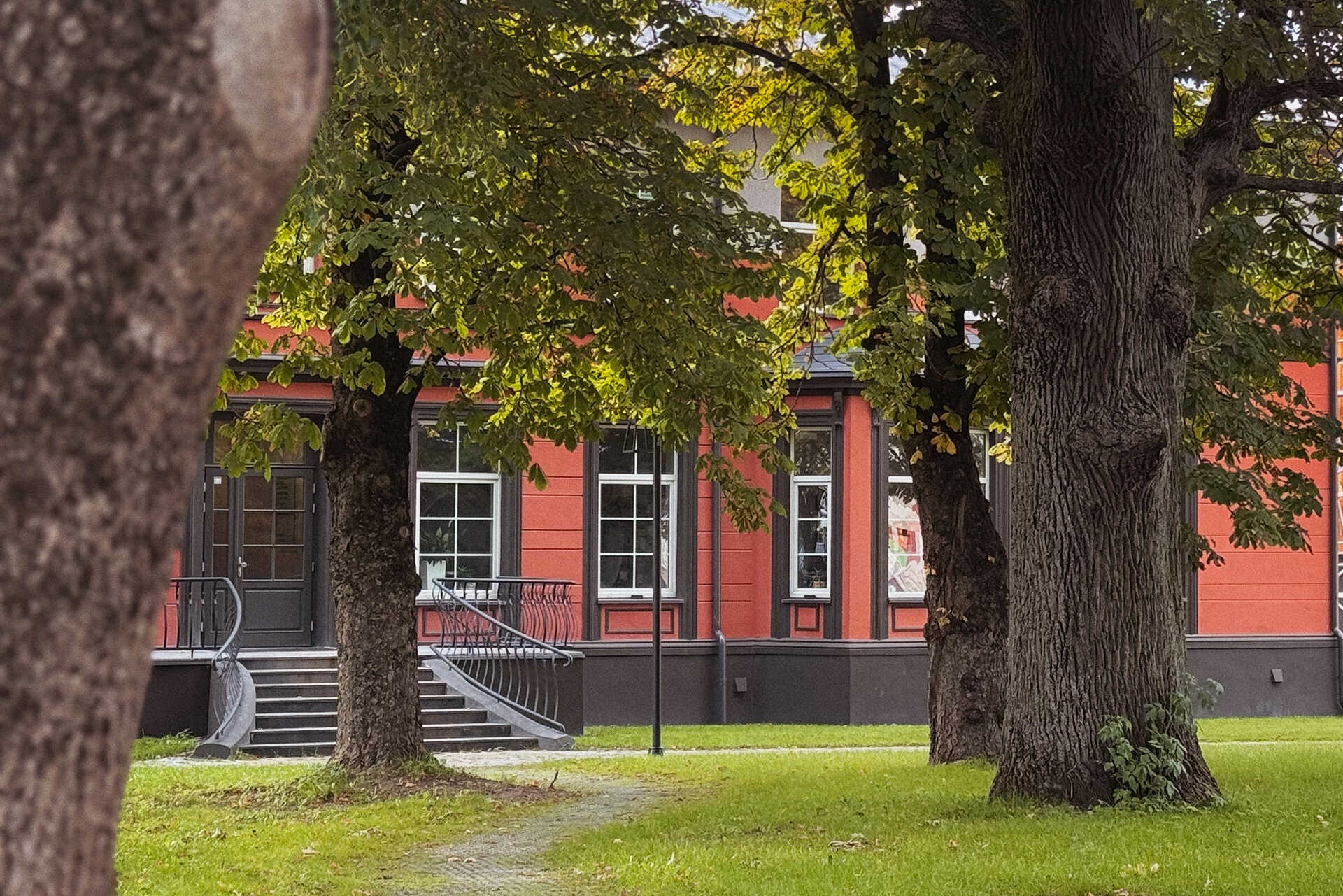
„Greenery is also a vital element. All old trees – oak, chestnuts, and an old wild pear – are preserved. As the original orchard was destroyed during the construction of the Tilžė–Mokyklos street intersection, it is being compensated by introducing new greenery into the inner courtyard. Both buildings and the surrounding environment are being adapted for high-quality work, rest, and leisure.“
The architects have done everything to revive the spirit of the manor. From now on, it will be shaped and sustained by the people who work, create, and visit here. Only a place that is open and accessible to the public can successfully continue the life of the manor.