Antazavė Manor
- Home
- Castles and Manors
- Antazavė Manor
The history of the manor is inseparable from the Plater family
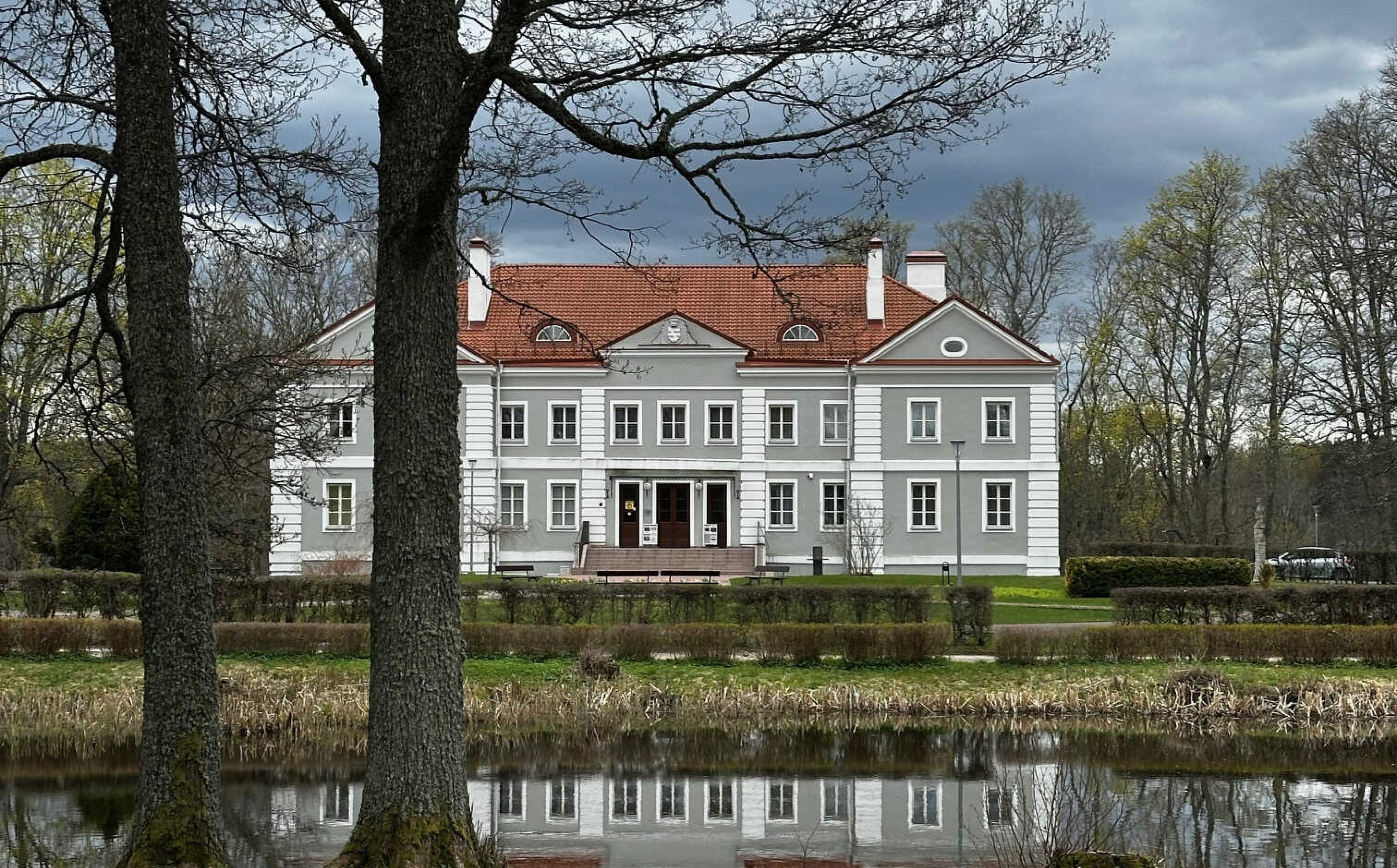
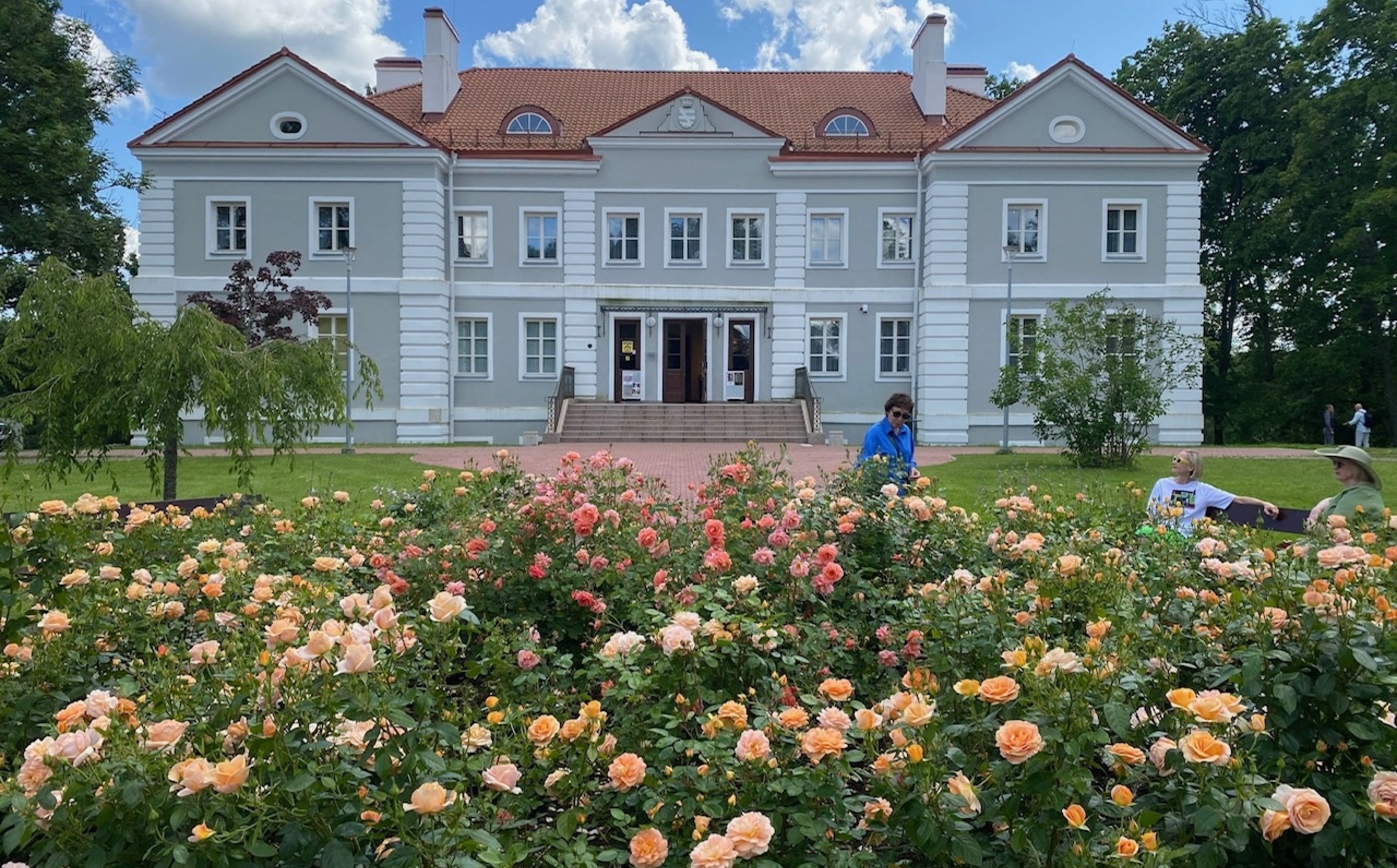
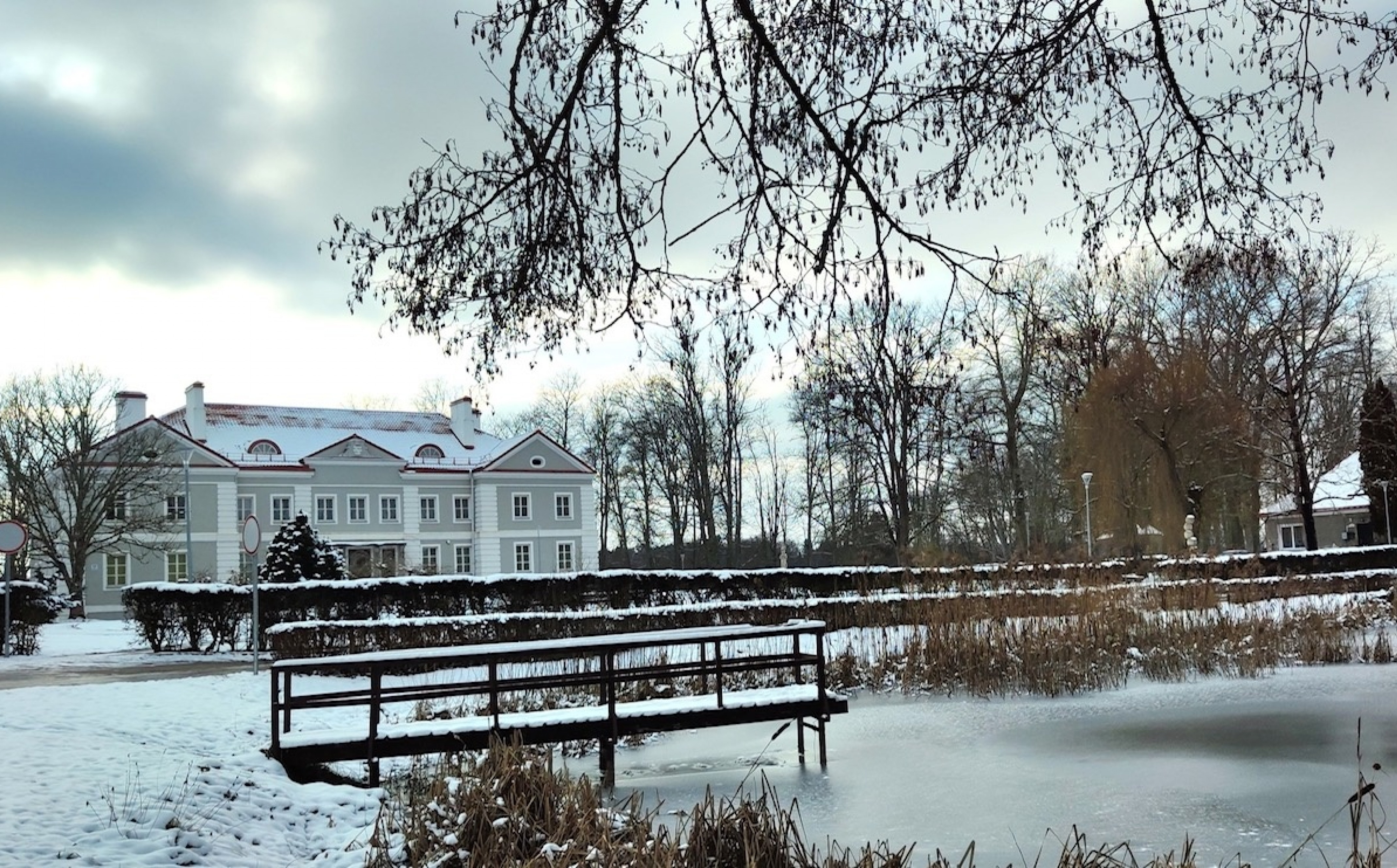
Antazavė Manor is one of the most distinguished late‑Classicist manor residences in Northeastern Lithuania, situated on the picturesque shore of Lake Zalvas.
From the 16th to the 18th century, the lands of Antazavė formed part of the Dusetos estate, owned in succession by the Radziwiłł, Rudamina, Piotrowski and Tyzenhaus families. Antazavė was first mentioned in 1650, when it belonged to Mikalojus Piotrovskis; shortly thereafter, the estate was acquired by Jonas Andrius Pliateris (1626–1696). Zalva Manor is referenced in 1744, and by the late 17th century the Plater family had begun shaping the manor ensemble.
In the late 18th century, Countess Kunigunda Valavičiūtė‑Plater (1760–1846), widow of Liudvikas Pliateris (1760–1788), initiated the construction of a masonry manor house, the formation of the park, and the building of the estate's outbuildings, offices, church, and town infrastructure – creating a unified representative residence. The architectural design of the masonry palace is believed to have been influenced by the school of the renowned architect Laurynas Stuoka‑Gucevičius, although architect Antanas Naglovskis is most frequently mentioned in connection with the project.
After 1808, the estate passed to Liudvikas Pliateris' son Kasparas Pliateris (1780–1829), who managed it together with his wife Bogumila Vereščinska‑Plater. Under her care, several stone‑masonry farm buildings were erected, including a granary, barn, and stable.
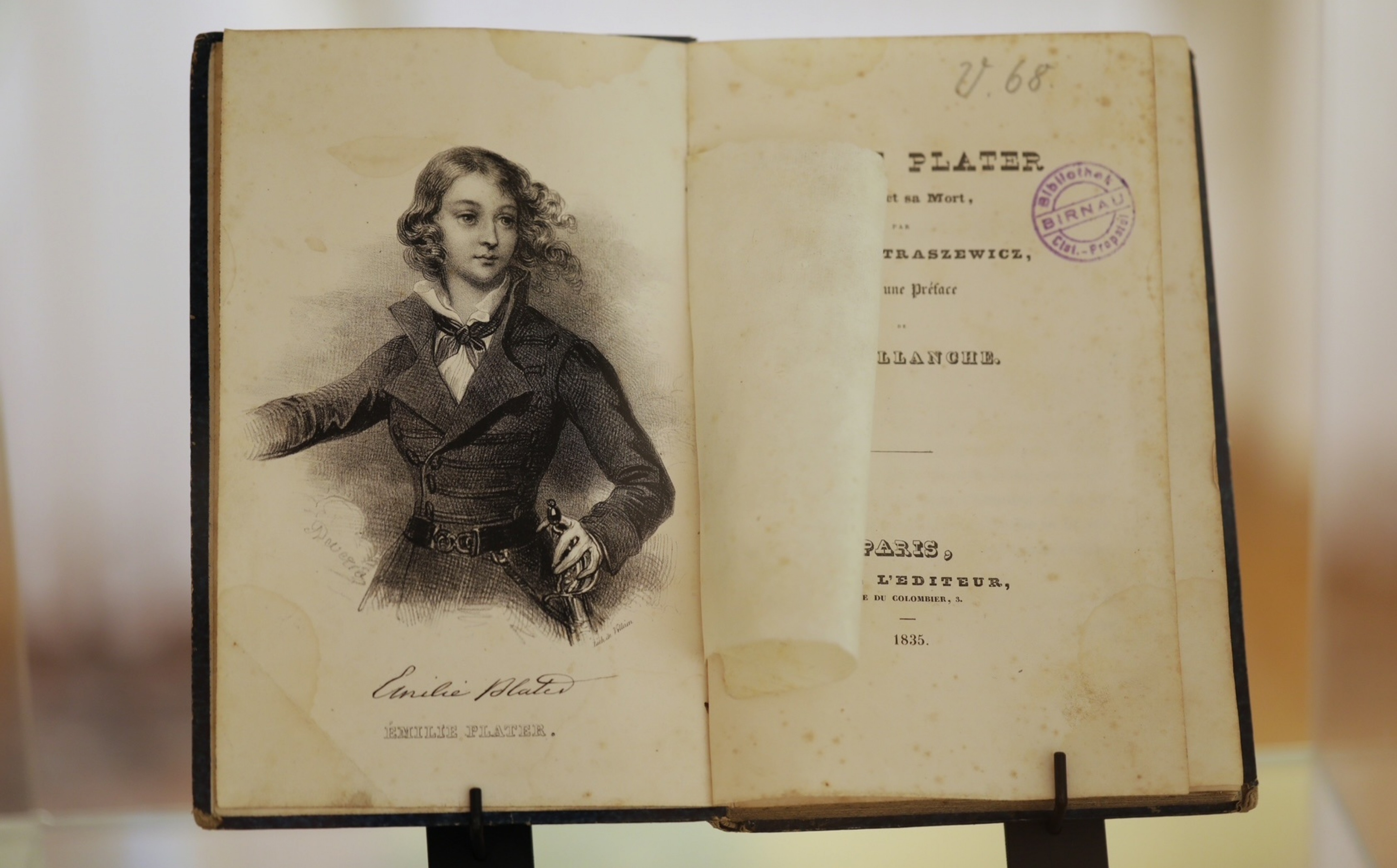
The history of the manor is inseparable from the Plater family and the Uprising of 1831. It was here that Emilija Pliaterytė signed her declaration of independent decision to join the uprising – an act that became a symbolic episode in the Lithuanian and Polish struggles for freedom.
In 1840, the estate was inherited by Liudvika Pliaterytė (1818–1896), who married Major Pranciškus Ledochovskis. Under his initiative, the manor house was reconstructed, and the first school in Antazavė as well as a building for the local administrative district were established.
In 1896, the estate passed to Ledochovskis' daughter Bogumila Elžbieta (1851–1915), who married Baron Julius Kazimieras Liudvikas Ropp (1843–1898). Their daughter Liudvika Ropp (1885–1971) visited Antazavė for the last time in 1936 during a family celebration.
The final owner of the manor was Elžbieta Pranciška Ropp (1884–1941), who married officer Mikalojus Voinarovskis (1893–1985). He had a deep appreciation for art, painted, maintained the 19th‑century Marimontas mill, and built an additional mill‑fulling workshop.
During the 20th century, the manor experienced turbulent historical shifts – wars, nationalization, and changes in function. The Soviet period left its mark through the children's home and boarding school that operated in the manor.
Today, a significant part of the manor complex has survived: the main palace, fragments of the servants' quarters, the granary, barn, threshing barn, a 5‑hectare park, and ponds. In front of the palace, the parterre with its characteristic geometric layout of paths and plantings remains intact.
During the 2012–2022 restoration, original wall decorations, historic cellar stairs, and other interior details were uncovered.
Following restoration, the manor has been revived for a new life.
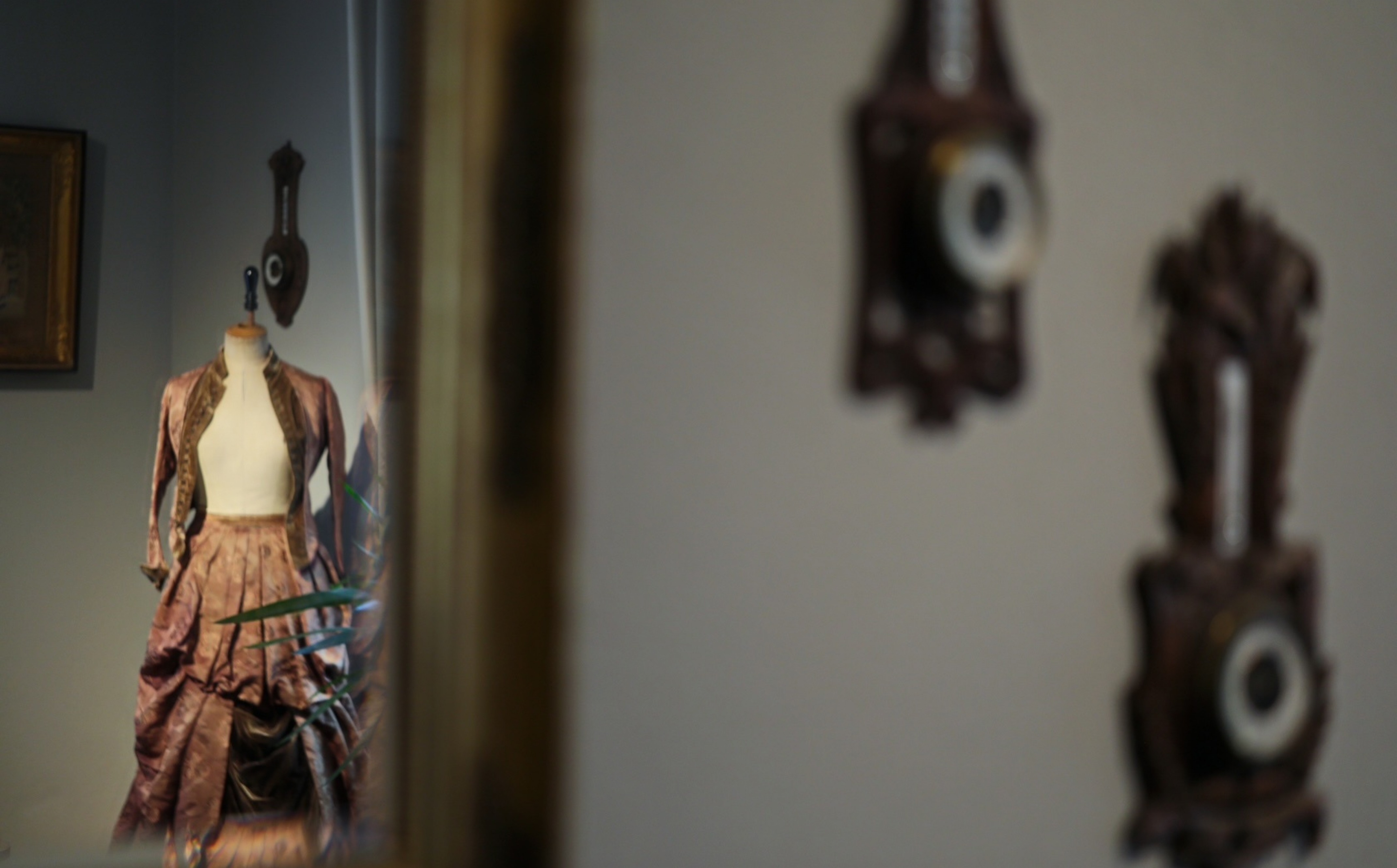
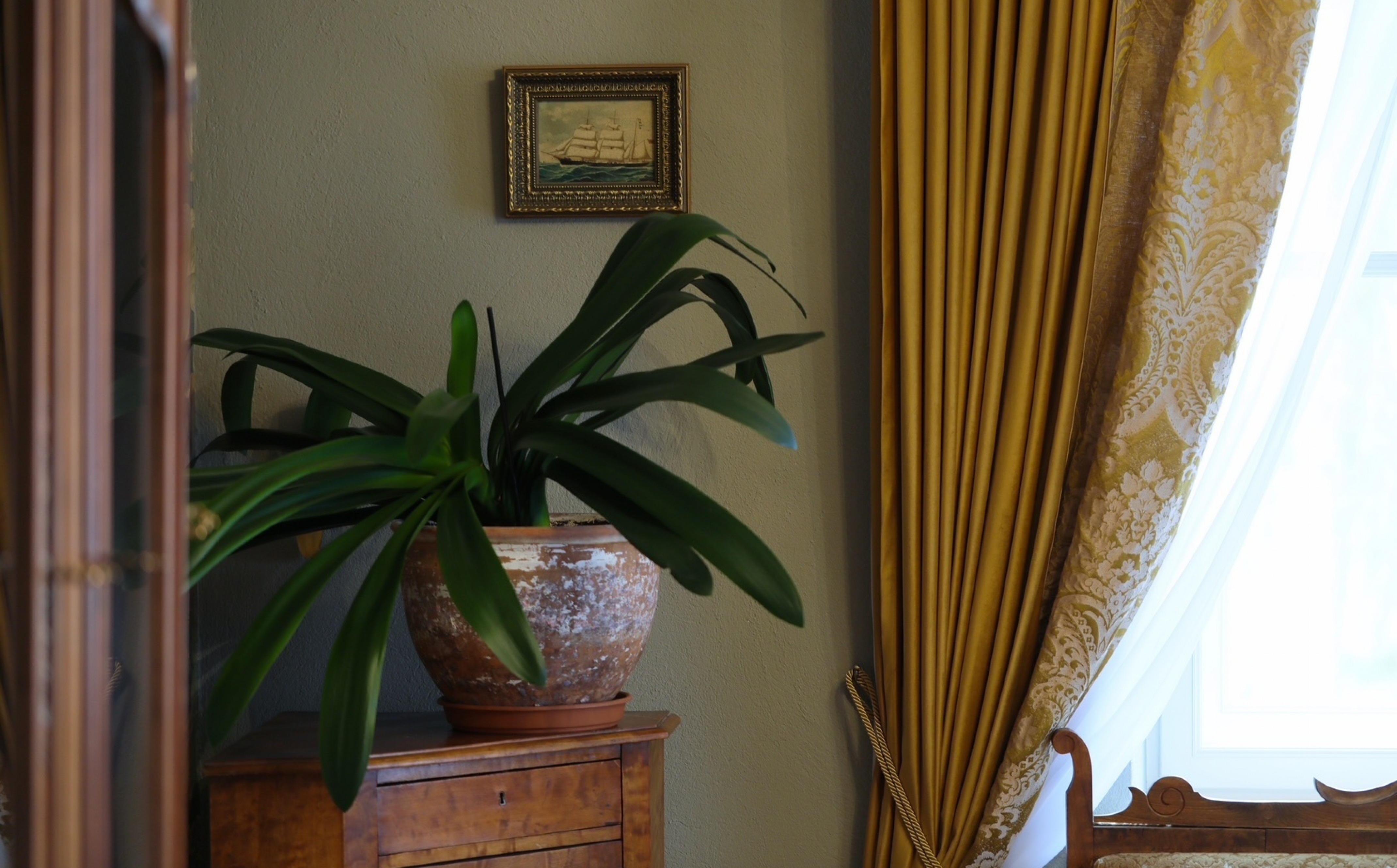
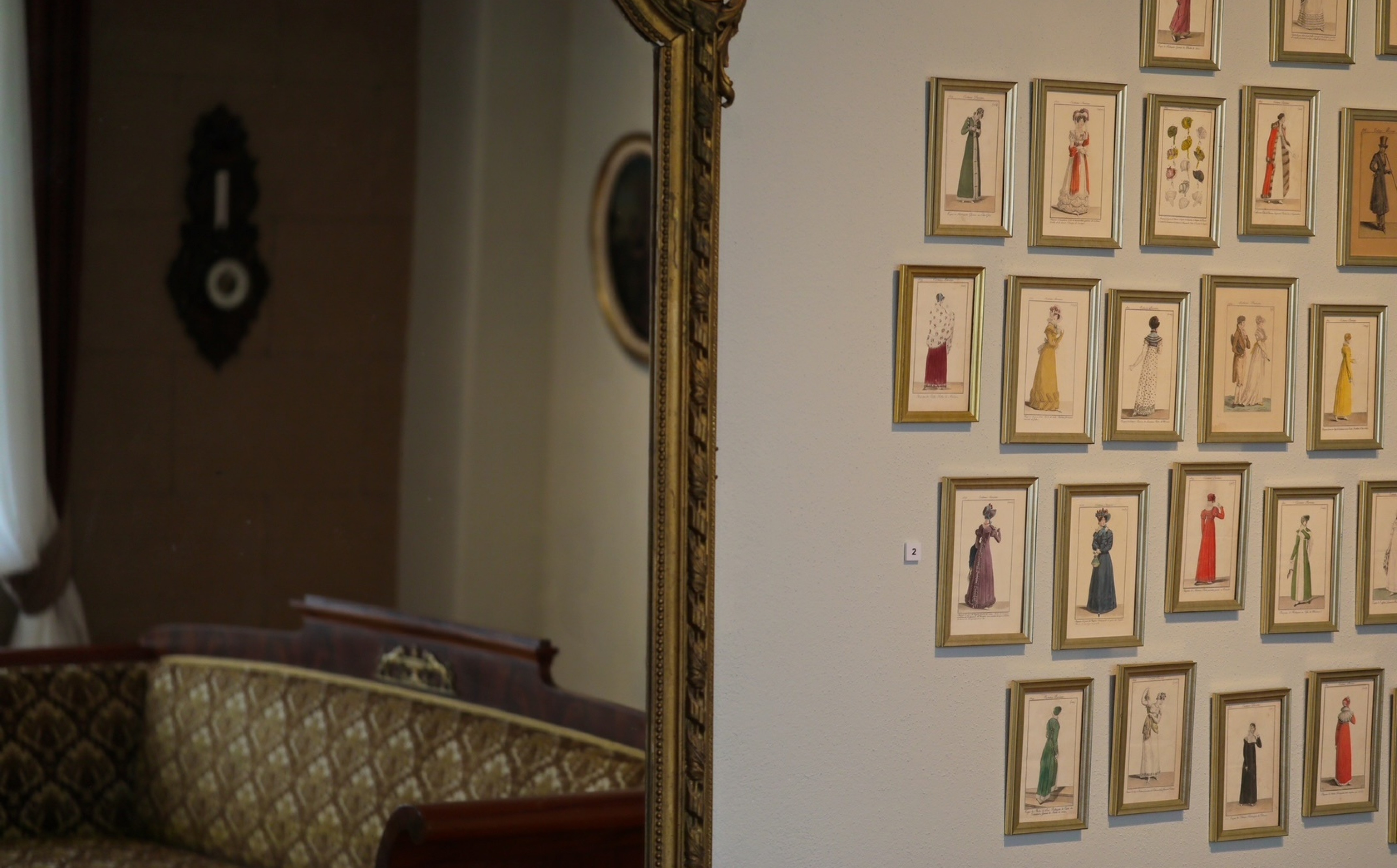
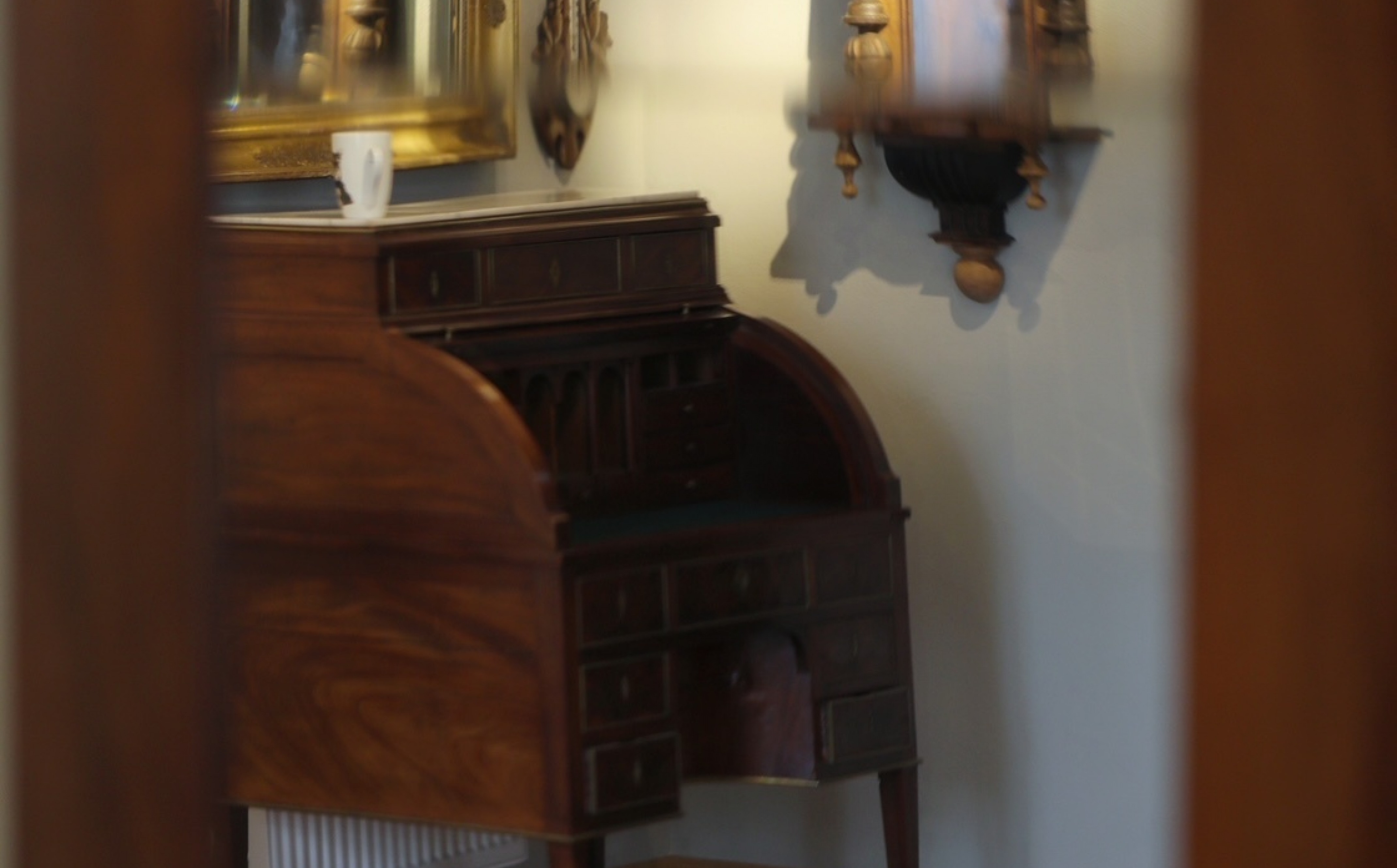
It is now an elegant venue with historically inspired interiors furnished with pieces from the private collection of Ramūtis Petniūnas and barometers from the collection of Libertas Klimka. Visitors who pause in these rooms are guided – through storytelling – into the eras when the lives of the manor's residents unfolded.
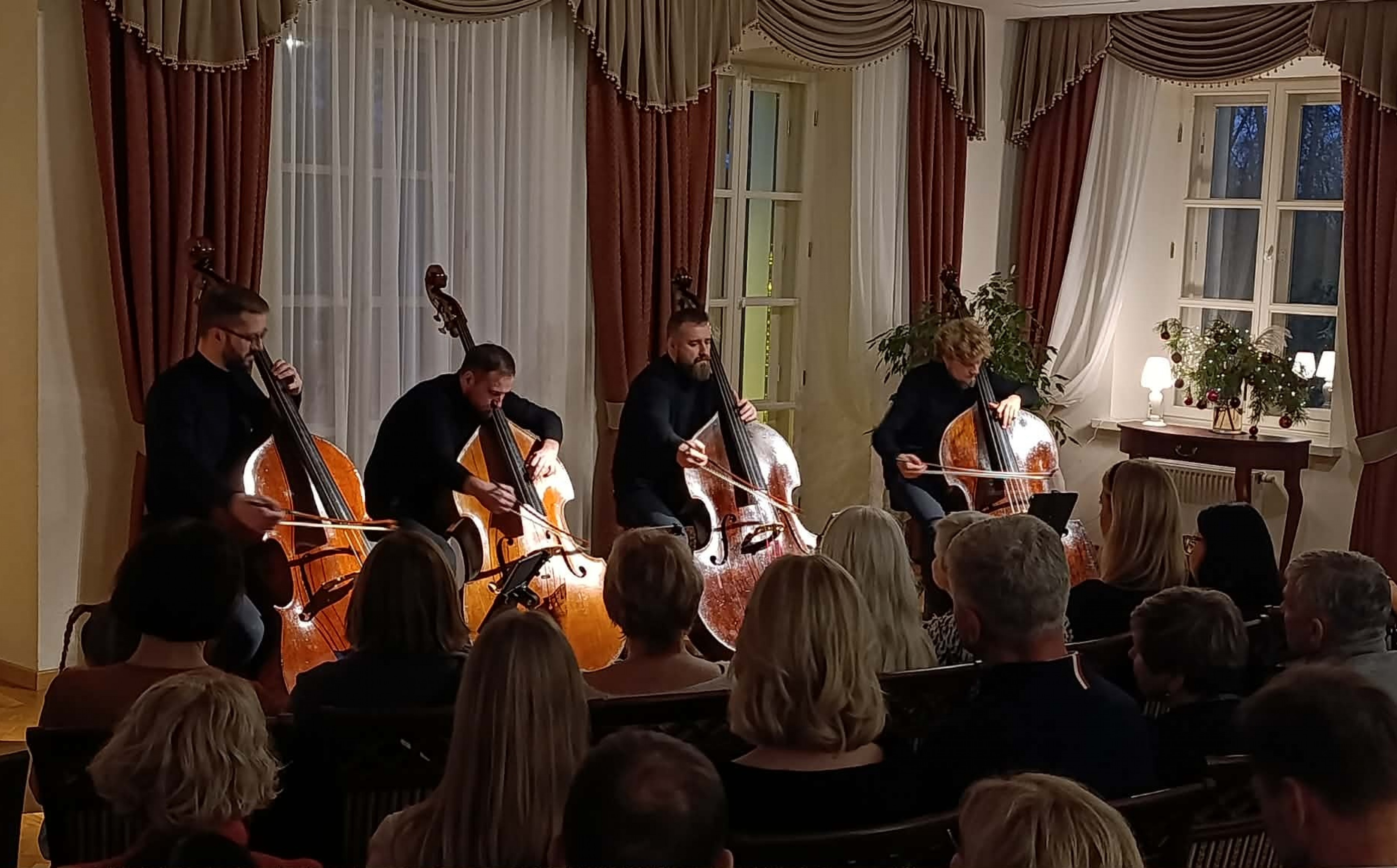
Today, new stories are being born here. They can be seen, heard, and felt – through music, painting, sculpture, and photography. Visitors to the exhibitions and concerts at Antazavė Manor are welcomed not as distant observers, but as participants in a living cultural dialogue. Meetings with artists and guided presentations create a sense of closeness between creators and their audiences. Set within the serene landscape of lakes and forests, the manor stands not only as a testament to Lithuania's heritage, but as a vibrant cultural home – a place that invites people to experience life through creativity, listen with your heart, and to experience art as a moment of reflection, inspiration, and genuine connection.